From Traditional Primary Industries to Cutting-Edge Digital Industries
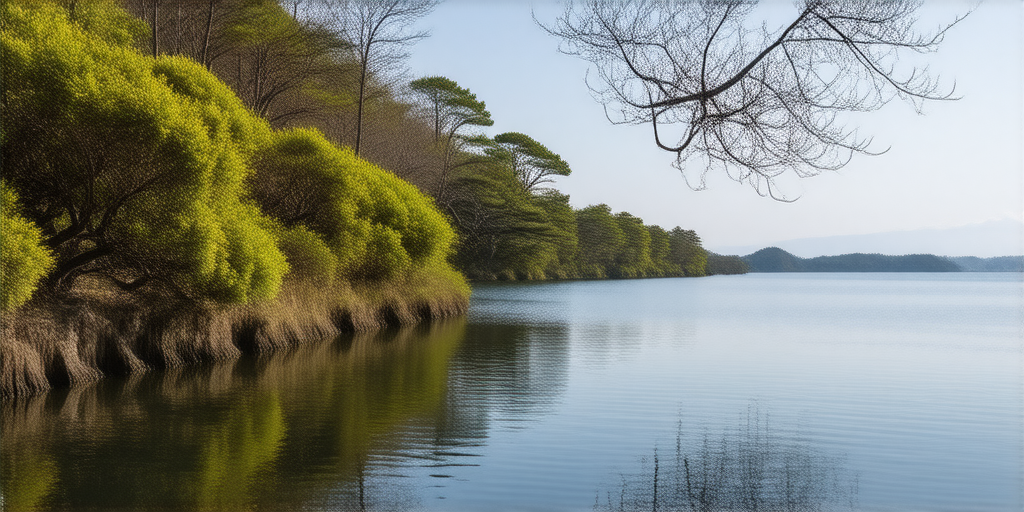
Tottori Prefecture, embracing the vast Tottori Sand Dunes and the majestic Mt. Daisen soaring in the north, faces the Sea of Japan. This landscape evokes a sense of “tranquility” and “solitude” in those who visit. However, behind this seemingly peaceful regional city lies a complex industrial structure coexisting with the “dynamism” brought by global pop culture.
Regional Revitalization and Sustainable Community Building
The foundation of Tottori Prefecture’s economic policy is the redefinition of regional resources, aligned with the national trend of “Regional Revitalization.” In response to structural challenges such as population decline and an aging society, the administration is pursuing policies with an “offensive stance,” rather than mere maintenance.
Tottori prioritizes the maintenance of traditional agricultural, forestry, and fishery industries. To protect brand-recognized products like “20th Century Pear” and the fishery resources of Sakaiminato, support systems have been established for introducing smart agriculture and advanced fisheries. This is not merely about maintaining production volume but aims at increasing income through high added value.
Attracting Industry and Investment in Digitalization:
In recent years, the prefecture has focused on attracting BPO (Business Process Outsourcing) and data centers. This is a strategic political decision aimed at creating new employment opportunities beyond existing industries like manufacturing and tourism. Adaptation to the “Digital Rural City-State Concept” through infrastructure development is highly anticipated as the next generation’s economic foundation.
Tottori’s economy is supported by “specialized industries” that maximize regional characteristics. Its structure spans a wide range, from primary industries benefiting from nature’s bounty to manufacturing sectors accumulating advanced technology.
The tourism service industry forms a hybrid economic sphere of nature and culture. In addition to the “quiet” tourism resources such as the Tottori Sand Dunes, Mt. Daisen, and Mishio Onsen, there is a growing demand for “dynamic” tourism utilizing content in recent years.
The pride in traditional agriculture and fisheries, intersecting with cutting-edge digital strategies. The next growth scenario for Tottori Prefecture is drawn at this intersection.